Periodontal Treatment Ventura for Receding Gums and Loose Teeth

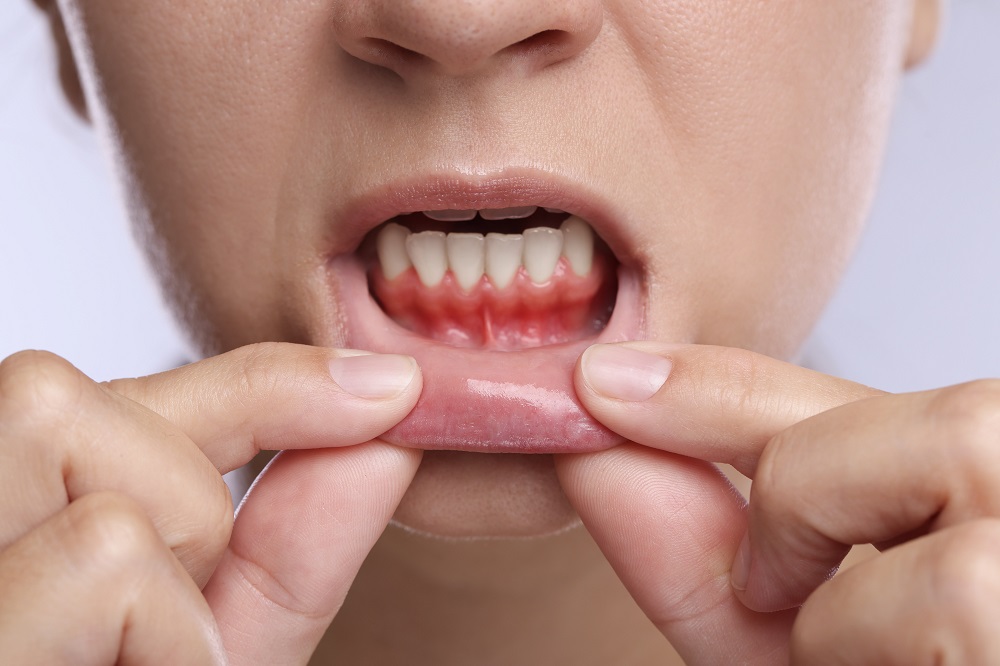

Receding gums and loose teeth tend to creep up on people. At first, it may be a little sensitivity when drinking cold water, or the feeling that one tooth looks longer than the others in the mirror. Then floss starts catching in places it never used to. A front tooth shifts slightly. Biting into a sandwich feels different. By the time many patients look for help, they are not just dealing with gum irritation. They are dealing with structural changes in the tissues that hold teeth in place.
That is where timely periodontal care matters. When someone searches for Periodontal Treatment Ventura, they are often trying to solve more than bleeding gums. They want to know whether their teeth can be saved, whether the recession can be stopped, and whether the looseness they feel means they are already too late. In many cases, the answer is encouraging. Periodontal disease is serious, but it is treatable, and many teeth that seem questionable can remain functional for years with the right approach.
The challenge is that receding gums and loose teeth do not have one simple cause. They can stem from bacterial infection, clenching and grinding, aggressive brushing, bite imbalance, smoking, certain medications, thin gum tissue, or a combination of several factors. Good treatment starts by sorting that out instead of jumping to a one-size-fits-all plan.
What receding gums and loose teeth usually mean
Healthy gums fit around the teeth like a firm collar. The underlying bone supports the roots, and the periodontal ligament acts like a tiny shock absorber between root and bone. When disease or trauma affects that system, the changes show up on the surface. Gums pull back. Spaces appear. Roots become exposed. Teeth move more than they should.
Receding gums are not always caused by infection. I have seen patients with excellent brushing habits who were actually brushing too hard with a medium-bristle brush and wearing the gumline away over time. I have also seen patients with very little pain but advanced periodontal disease, where deep pockets around the teeth had quietly eroded bone support for years. The appearance may look similar at first glance, but the treatment path is different.
Loose teeth are even more nuanced. A slight amount of microscopic movement is normal in every tooth. Teeth are not fused directly to bone. They are suspended by ligament fibers. But when a patient says, “I can feel this one moving when I push on it with my tongue,” that deserves a careful exam. Sometimes the culprit is inflammation from infection. Sometimes it is bite trauma from heavy grinding at night. Sometimes it is a cracked root, and sometimes it is a combination that requires both periodontal and restorative planning.
Why periodontal disease often goes unnoticed
One reason gum disease is missed is that it can be surprisingly quiet. Many people expect major pain if something is seriously wrong. Periodontal problems do not always behave that way. Chronic gum disease often progresses slowly, with mild bleeding, occasional bad breath, and subtle shifting that is easy to ignore.
Patients also adapt. They chew on the other side. They stop biting into apples. They avoid flossing where it bleeds. They tell themselves the sensitivity is just part of getting older. It is common to hear, “I thought my gums were just receding because of age.” Age can make tissues more fragile, but age alone does not cause destructive periodontal pockets or significant bone loss.
That is why a periodontal evaluation is more than a quick glance. Proper assessment includes measuring pocket depths around each tooth, checking bleeding points, reviewing X-rays to evaluate bone levels, assessing mobility, and looking at gum thickness, recession patterns, and bite forces. Without that full picture, treatment tends to miss the real driver.
Signs that should prompt an exam soon
Some symptoms can wait a week or two for a scheduled visit. Others deserve prompt attention, especially when looseness is involved.
- Gums that bleed regularly during brushing or flossing
- Teeth that look longer, shift position, or develop new spaces
- Persistent bad breath or a sour taste that returns quickly after cleaning
- Sensitivity at the gumline, especially where roots are exposed
- A tooth that feels mobile when chewing or pressing with the tongue
None of these signs proves advanced disease on its own, but together they often point to inflammation, tissue loss, or bite stress that should not be ignored.
What happens during periodontal treatment
Patients are often anxious because “periodontal treatment” sounds broad and technical. In reality, treatment usually unfolds in stages. The first stage is diagnosis and disease control. The second is stabilization. The third, if needed, is rebuilding or maintaining what has been lost.
For many people, the first active step is scaling and root planing, sometimes called deep cleaning. This is not the same as a routine cleaning. The goal is to remove bacterial deposits, hardened calculus, and contaminated root surface material from below the gumline, where the toothbrush cannot reach. Depending on how much buildup and inflammation are present, this may be done in sections of the mouth with local anesthesia.
When it is done well, patients often notice several changes within a few weeks. The gums look less puffy, bleeding decreases, breath improves, and teeth may feel firmer because inflamed tissue is no longer swollen and unstable. That said, deep cleaning does not “grow back” every bit of lost tissue. It stops active disease and creates a healthier environment, which is what determines the next step.
If deeper pockets remain after initial treatment, a periodontist may recommend localized antimicrobial therapy, periodontal surgery, regeneration in selected defects, gum grafting, or splinting of mobile teeth. Not every receding gumline needs surgery, and not every loose tooth should be splinted. Good periodontal care depends on restraint as much as intervention.
When a deep cleaning is enough, and when it is not
This is where judgment matters. Some patients come in expecting surgery because their teeth feel loose, only to find that non-surgical care and bite adjustment make a big difference. Others hope a deep cleaning alone will solve a more advanced problem, but the anatomy says otherwise.
If pocket depths are moderate, bone loss is limited, and mobility is driven mainly by inflammation, non-surgical therapy may be enough to stabilize things. The body can tighten and heal surprisingly well once bacterial load is reduced and home care improves. I have seen teeth that initially frightened patients settle down significantly after careful instrumentation and a few weeks of reduced inflammation.
On the other hand, when pockets are very deep, bone loss is vertical and uneven, or furcation areas between roots are involved, a non-surgical approach may not fully access the problem. In those situations, periodontal surgery may be recommended to improve access, reduce pocket depth, reshape certain defects, or place regenerative materials where the defect pattern makes healing more favorable.
That does not mean surgery is automatically aggressive. In https://finnfjbm780.juniperbrief.com/posts/how-periodontal-treatment-ventura-can-protect-your-smile modern periodontal care, the aim is usually conservative preservation. The goal is to save as much natural structure as possible while creating something maintainable. A beautifully treated area is not much use if the patient cannot keep it clean at home.
Receding gums are not all treated the same way
Gum recession has several patterns, and treatment changes depending on the cause. If the recession is due mainly to traumatic brushing and thin tissue, the priority may be modifying hygiene technique and monitoring stability. If exposed roots are sensitive or the recession threatens long-term support, a gum graft may be considered.
Soft tissue grafting has become much more refined than many people expect. In the right case, it can thicken fragile gum tissue, reduce sensitivity, and improve the protective band of tissue around the tooth. Cosmetic improvement may also occur, particularly in visible areas, but the main reason to recommend grafting is usually functional stability rather than appearance alone.
There are limits, though. If a tooth has severe bone loss and significant malposition, grafting may not fully cover the root. If clenching, a traumatic bite, or poor plaque control continues, the tissue may not remain stable. That is why reputable periodontal treatment focuses on cause first, procedure second.
Why loose teeth need more than a quick fix
Mobility is unsettling because it feels urgent, and sometimes it is. A loose tooth can interfere with chewing, speech, and confidence. Yet splinting a loose tooth without managing the underlying disease is like tightening a railing into rotted wood. It may feel better briefly, but the support has not truly improved.
When evaluating loose teeth, a periodontist or experienced dentist will consider several factors at once: the amount of remaining bone support, the pattern of mobility, whether the bite is hitting too hard in one spot, whether there is active infection, and whether the tooth has restorative or endodontic issues. A tooth with moderate bone loss and manageable mobility may do well for years if inflammation is controlled and the bite is adjusted. A tooth with a vertical root fracture, by contrast, may have a very poor prognosis no matter how carefully it is cleaned.
This is where clear communication matters. Patients deserve honest guidance, not blanket optimism and not unnecessary pessimism either. Some teeth can be maintained successfully as part of a broader treatment plan, even if they are not perfect. Others become a repeated source of swelling, pain, or shifting, and keeping them too long can compromise neighboring teeth or delay better options.
The role of bite forces, grinding, and clenching
One of the most underappreciated contributors to gum recession and tooth mobility is force. Heavy clenching and grinding do not cause periodontal disease by themselves, but they can worsen the damage when inflammation is present. Think of it as an overloaded foundation. If the support system is already weakened, excess force accelerates breakdown.
This matters because treating the bacteria without addressing the force can leave patients wondering why their teeth still feel tender or mobile. Sometimes the gum tissue looks better after periodontal therapy, but the person still wakes up with jaw fatigue, flattened chewing surfaces, or notches near the gumline from flexure and wear. In those cases, a night guard, bite adjustment, or restorative planning may be part of the solution.
I have seen lower front teeth loosen in patients who had relatively modest plaque buildup but very heavy grinding habits. Their bone support had been pushed past what the teeth could comfortably tolerate. Once inflammation was reduced and the bite issues were managed, the teeth often became more stable than the patient expected. Not perfect, but functional and comfortable.
What Ventura patients often ask about treatment and recovery
People considering Periodontal Treatment Ventura usually ask practical questions first. Does it hurt? How many visits will it take? Will insurance cover it? Can the gums grow back? Will I lose the tooth anyway?
The discomfort question is understandable. Deep cleaning and periodontal procedures are typically done with local anesthesia, and many patients tolerate them better than they anticipated. Soreness afterward is common, but severe pain is not the norm. Recovery depends on the type of treatment. Non-surgical therapy may leave the gums tender for a few days. Grafting or flap procedures usually involve a longer healing period and more detailed aftercare.
As for whether gums “grow back,” the honest answer is that some healing occurs, but full spontaneous regrowth of lost gum and bone is limited. The body can reduce inflammation, tighten tissue, and in selected defects regenerate some support when conditions are favorable. Yet periodontal treatment is more often about preserving and stabilizing than magically reversing every sign of past damage.
The other common question is prognosis. Patients want certainty, but periodontal prognosis is rarely all-or-nothing. A tooth may have a fair prognosis rather than an excellent one and still remain serviceable for many years. What matters is whether it can be kept healthy, comfortable, and maintainable without damaging the rest of the mouth.
Home care after treatment makes or breaks the result
Even excellent in-office therapy cannot compensate for inconsistent home care. Periodontal disease is a chronic condition with active and quiet phases, and maintenance is where long-term success lives. That does not mean patients need a complicated routine with a dozen products. It means they need a targeted routine they can actually sustain.
- Brush gently with a soft-bristled brush, angling the bristles toward the gumline rather than scrubbing across it
- Clean between teeth daily with floss, interdental brushes, or another device recommended for your spacing
- Use any prescribed rinse or antimicrobial product exactly as directed, especially during healing
- Keep periodontal maintenance visits on schedule, often every three to four months at first
- Report new mobility, swelling, or gum tenderness early instead of waiting for the next recall
Technique matters as much as frequency. Someone who brushes twice a day very aggressively can create or worsen recession. Someone who flosses only where it feels comfortable will miss the very areas where disease tends to persist. The best home-care instructions are specific to the patient’s anatomy, restorations, dexterity, and habits.
Maintenance is not just “another cleaning”
A common misunderstanding is that once treatment is done, the patient simply returns to regular cleanings forever. Periodontal maintenance is different from routine preventive cleaning. It is designed for mouths with a history of periodontal breakdown, and it involves ongoing monitoring of pocket depths, tissue condition, bleeding, plaque retention areas, and bone-support concerns over time.
That distinction matters because recurrent disease often starts silently. A patient may feel fine while one area gradually deepens again. Regular maintenance catches those changes early, when they are easier to manage. It also reinforces technique and helps adjust the plan if the mouth changes because of new crowns, medications, dry mouth, stress, or health conditions like diabetes.
Patients who stay engaged with maintenance usually do far better than those who disappear after the first phase of care. That is not a sales point. It is what the biology tends to show. Periodontal disease can be controlled successfully, but it responds poorly to neglect.
Choosing the right provider in Ventura
Not every case of gum recession or loose teeth requires a specialist, but many do benefit from periodontal evaluation, especially when there is significant mobility, advanced bone loss, or possible grafting or regenerative needs. A good provider should be willing to explain what they see in plain language, show you the measurements or imaging, and discuss the reasoning behind each recommendation.
Look for a practice that talks not only about procedures, but also about diagnosis, prognosis, maintenance, and alternatives. If a tooth is truly questionable, you should hear that honestly. If it is salvageable, you should hear what that commitment involves. The best periodontal care is not about selling the biggest treatment plan. It is about making the most defensible decision for the mouth as a whole.
For some Ventura patients, that means stabilizing disease and preserving natural teeth as long as possible. For others, it means recognizing when one hopeless tooth should be removed to protect neighboring structures and support a stronger overall plan. Both paths can be sound when chosen carefully.
The sooner inflammation is controlled, the better the odds
Receding gums and loose teeth do not always signal disaster, but they do signal that something important is changing. The earlier the underlying cause is identified, the more options tend to remain on the table. Mild to moderate problems are generally easier to stabilize than advanced collapse, and treatment is usually less invasive when disease is caught before teeth drift, roots become heavily exposed, or bone loss becomes extensive.
That is the real value of seeking Periodontal Treatment Ventura before symptoms escalate. It gives you a chance to stop the process while the support system is still salvageable. If your gums are pulling back, your teeth feel different when you bite, or one tooth seems to move when it never did before, a thorough periodontal exam is not overreacting. It is the practical next step.
Natural teeth can often be retained longer than patients expect, but only when the biology, the bite, and the daily habits are all part of the plan. That balance is what good periodontal treatment is built to restore.
Avra Dental
Address: 1708 S Victoria Ave B, Ventura, CA 93003
Phone number: (805) 941-1001
FAQ About Periodontal Treatment Ventura
Can a dentist get rid of periodontal disease?
A dentist or gum specialist (periodontist) cannot fully cure or reverse advanced periodontal disease (periodontitis), but they can successfully stop its progression and manage the infection.
Is periodontitis very serious?
Yes, periodontitis is a very serious, advanced form of gum disease that destroys the bone and tissues supporting your teeth.
How is stage 2 periodontal disease treated?
Stage 2 periodontal disease (early to moderate periodontitis) is primarily treated with non-surgical deep cleaning procedures like scaling and root planing to remove bacteria and tartar below the gumline.
Ends · MANUELTHNR495